10 Best Distributor Parts Suppliers for Global Buyers

Choosing reliable distributor parts suppliers can shape every stage of an international purchasing project. A capable supplier does more than quote a competitive price. It confirms specifications, protects packaging, provides traceable documentation, and communicates clearly when conditions change. For global buyers, these details can prevent delayed production, incorrect shipments, and costly returns.

This guide reviews ten respected supplier options for distributor parts across industrial, automotive, electrical, and mechanical applications. The evaluation considers product range, quality systems, export experience, inventory visibility, minimum order quantities, and after-sales support. It also examines practical details, such as labeled cartons, batch records, inspection reports, and response times across different time zones. Those small details matter.

No supplier is perfect. A strong catalog may hide limited stock. Low prices may reflect longer lead times or narrower support. Buyers should verify certifications, payment terms, shipping responsibilities, and local import requirements before placing an order. Independent samples and documented inspections remain valuable, especially for safety-related components. This article offers a professional starting point, not a substitute for technical review or contractual due diligence. Some rankings may change as supplier performance, market conditions, and regional logistics evolve. That uncertainty deserves attention. A careful comparison helps buyers build a dependable sourcing strategy while keeping quality, compliance, and long-term service at the center.

10 Best Distributor Parts Suppliers for Global Buyers

Understanding the Role of Distributor Parts Suppliers in Global Trade

Distributor parts suppliers connect manufacturers, repair teams, and buyers across borders. Their role goes beyond quoting prices. They identify compatible components, coordinate inventory, and help customers plan around uncertain delivery times. A small mismatch in a seal or bearing can stop a production line.

The World Trade Organization’s Global Trade Outlook and Statistics (2024) reported that merchandise trade volume grew 0.8% in 2023, with 2.6% growth forecast for 2024. These shifts make dependable sourcing important. Suppliers can reduce friction by confirming part numbers, sharing stock status, and providing clear shipping documents. Details matter.

Transport remains a practical constraint. UNCTAD’s Review of Maritime Transport 2023 notes that over 80% of world trade by volume moves by sea. For a buyer waiting on a critical component, a port delay can matter more than a low unit price. Regional stock and realistic lead-time estimates can help, but neither guarantees uninterrupted supply. Buyers should also check how suppliers verify product origin and maintain traceable records. That step is easy to overlook. No supplier can remove every risk, and even careful forecasts can miss sudden demand changes.

Defining the Criteria for Selecting Reliable Parts Distributors

A reliable parts distributor is more than a low-price source. For global buyers, assess traceability before comparing quotations. Ask whether each shipment includes batch identifiers, clear product descriptions, and inspection records. Small details matter. A carton label that matches the invoice can prevent receiving delays and simplify claims.

Check stock claims against actual fulfillment practices. Request typical dispatch windows, back-order rules, and written updates when availability changes. A quoted lead time may exclude export packing or handover time. Clarify the full route to your warehouse, including who handles damage reports and replacement decisions. Written terms help.

Technical support is another useful test. Send a sample part number and ask for its datasheet, revision status, and compatibility limits. A careful team will flag missing specifications instead of guessing. Review payment terms, quality procedures, and references from buyers with similar order sizes. No checklist catches everything. Start with a modest trial order, inspect labels and parts on arrival, then compare promised and actual timing. Some delays still happen; what matters is whether communication stays specific and documented.

10 Best Distributor Parts Suppliers for Global Buyers

Defining the Criteria for Selecting Reliable Parts Distributors

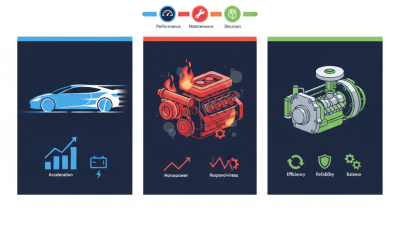
This reference model compares the criteria global buyers commonly use when qualifying parts distributors. Delivery reliability, product quality, inventory visibility, technical support, international logistics, and commercial flexibility are weighted according to their practical impact on sourcing continuity and supplier risk.

Comparing the 10 Best Distributor Parts Suppliers Worldwide

Comparing the 10 Best Distributor Parts Suppliers Worldwide requires more than checking catalog size. Global buyers should examine stock accuracy, certification control, delivery history, and technical support. The World Bank’s 2023 Logistics Performance Index evaluates 139 economies across customs, infrastructure, tracking, and timeliness. These measures help reveal whether a supplier can move parts reliably across borders.

The strongest supplier profiles usually offer searchable inventory, traceable batches, and clear substitution policies. This matters because UNCTAD’s Review of Maritime Transport 2024 reports that ships carry over 80% of global merchandise trade by volume. A delayed container can stop an assembly line. I would compare the ten suppliers using landed cost, average response time, minimum order quantity, and return handling. Price alone is a weak measure.

Reliability still needs human checking. Ask for recent delivery records, inspection documents, and written warranty terms. The International Trade Centre highlights product standards and conformity requirements as important factors in cross-border trade. Some suppliers publish impressive availability figures, but live stock can change within hours. That is easy to overlook. Buyers should also test one small order before signing a long contract. In my experience, communication during a problem reveals more than a polished website. No ranking stays perfect when markets, freight capacity, and component demand shift.

Evaluating Product Quality, Compliance, and Inventory Capacity

Choosing among the 10 best distributor parts suppliers requires more than comparing catalog size. In sourcing projects, I inspect samples before reviewing price sheets. Machined edges should feel clean, not sharp or uneven. Packaging must prevent moisture, dust, and terminal damage during long transit. A supplier should provide drawings, material certificates, inspection reports, and traceable lot numbers. Small details matter.

Compliance checks must match the destination market and product category. Ask for current declarations, restricted-substance data, safety files, and customs-ready documentation. Certificates alone are not enough. Verify issuer details, revision dates, and testing scope. I also compare incoming samples with approved specifications. One uncomfortable lesson is that paperwork can look complete while tolerances drift during production. Independent testing may be necessary for critical parts.

Inventory capacity is more than a large number on a website. Request available quantities, warehouse locations, reorder points, and average lead times. A reliable supplier should reserve stock and explain its replenishment plan. Ask how it handles shortages, substitutions, and sudden demand changes. Trial orders reveal response speed and packing discipline. I have learned that forecasts are imperfect, including mine. An honest warning is often more valuable than an optimistic promise. Track fill rate, defect rate, and delivery variance across several shipments.

Assessing Pricing, Logistics, and After-Sales Support for Global Buyers

Global buyers should compare distributor parts suppliers beyond unit price. A quotation that saves 8% may lose value through urgent freight, customs delays, or incomplete packaging. The World Bank’s 2023 Logistics Performance Index shows that reliable logistics depend on customs, infrastructure, shipment tracking, and delivery timeliness. Ask for landed-cost examples, not only catalog prices. Request pallet dimensions, export documents, lead times, and currency-adjustment rules. Small details matter.

Ocean transport carries over 80% of global merchandise trade, according to UNCTAD’s Review of Maritime Transport 2023. That scale does not guarantee predictable delivery. A strong supplier should offer shipment milestones, safety stock options, and a clear escalation contact. Test one modest order before committing to annual volume. This is less impressive on paper, but more reliable in practice. I would also compare defect handling, replacement timing, and technical documentation. After-sales support becomes visible when a part fails on a Friday.

Supplier scoring should include response speed and evidence quality. ISO 9001 certification can indicate controlled processes, but it does not prove every shipment will perform well. Check batch traceability, inspection records, warranty terms, and return responsibilities. The International Trade Centre emphasizes accurate trade information for better market decisions, yet product classifications still deserve human review. I have seen spreadsheets look complete while missing insurance costs. That weakness is easy to overlook. Keep the evaluation transparent, update freight assumptions monthly, and record every service promise in writing.

10 Best Distributor Parts Suppliers for Global Buyers — Assessing Pricing, Logistics, and After-Sales Support

Anonymous supplier profiles, not company rankings. These are common distributor models; pricing, stock, delivery times, warranty terms, and export capabilities vary by supplier, product, and destination. Verify current terms before ordering.

Supplier Profile Typical Parts Focus Pricing Characteristics Logistics Considerations After-Sales Support to Check Best Fit for Global Buyers
Authorized broadline distributor Parts from multiple manufacturers, often spanning industrial, electrical, or maintenance categories. Quote-based or catalog pricing; volume discounts and account terms may be available. May offer regional warehouses and international shipping; confirm export coverage and local stock. Check traceability, manufacturer-backed warranty handling, technical documentation, and returns policy. Buyers consolidating frequent orders across several product categories.
Independent parts distributor Replacement parts and components sourced from multiple authorized or independent channels. Prices and availability can vary by source, urgency, and order quantity; request an itemized quotation. Useful for sourcing hard-to-find items, but lead times depend on supplier availability and shipping route. Ask for written condition descriptions, origin documentation, warranty coverage, and a clear return process. Buyers needing sourcing flexibility or alternatives for discontinued parts.
OEM-focused distributor Original replacement parts for specific equipment families and installed systems. Genuine parts may carry a premium; compare the total cost with compatible alternatives where permitted. Confirm whether parts ship from a regional depot or must be ordered from another market. Verify serial-number matching, installation guidance, warranty eligibility, and access to service records. Operators prioritizing fit, documented origin, and compatibility with existing equipment.
Surplus and obsolete-parts specialist Excess inventory, legacy components, and items no longer readily available through standard channels. Pricing is often item- and scarcity-dependent; compare condition, testing, and return terms as well as price. Inventory may be limited to one or a few units; confirm stock physically and request dispatch estimates. Check testing reports, storage history where available, authenticity checks, and the remedy for defective goods. Maintenance teams supporting older equipment or minimizing downtime from unavailable parts.
Electronic-component distributor Semiconductors, connectors, passive components, and other electronic parts. Unit prices may vary with quantity, packaging, market availability, and manufacturer lead times. Check export restrictions, packaging requirements, regional fulfillment, and shipment tracking. Look for lot traceability, product-change notices, counterfeit-prevention procedures, and return rules. OEMs and repair businesses that need documented electronic-component sourcing.
Automotive aftermarket distributor Service and replacement parts for passenger vehicles, commercial vehicles, and repair operations. Prices depend on vehicle application, part grade, brand tier, and order volume. Confirm fitment by vehicle identification details and check cross-border rules for regulated components. Check fitment support, warranty duration, core-return requirements for applicable parts, and claim procedures. Repair networks, fleet operators, and importers managing recurring vehicle-parts demand.
Industrial MRO distributor Maintenance, repair, and operations supplies such as bearings, seals, tools, and plant components. Contract pricing, order consolidation, and volume terms may affect total purchasing cost. Assess local branch coverage, replenishment options, export packing, and delivery to operating sites. Check product-substitution guidance, safety documentation, and support for repeat-order planning. Factories and facilities seeking to consolidate routine maintenance procurement.
Hydraulic and pneumatic parts specialist Hoses, fittings, valves, cylinders, pumps, and related fluid-power components. Custom assemblies and specification requirements can affect quotation and production costs. Confirm dimensional and pressure specifications before shipment; made-to-order items may need additional lead time. Request compatibility checks, pressure ratings, material information, and clear guidance on assembly and installation. Industrial, mobile-equipment, and service buyers with application-specific fluid-power needs.
Agricultural machinery parts distributor Service parts and wear items for tractors, harvesting equipment, and other agricultural machinery. Costs can vary by equipment model, season, part origin, and availability. Seasonal demand can affect stock and dispatch; check delivery access to rural destinations and customs requirements. Verify model and serial compatibility, installation information, and warranty terms for replacement parts. Farms, dealers, and service businesses planning maintenance around seasonal operating windows.
Marine and vessel-parts distributor Marine engine, electrical, deck, and onboard-system replacement parts. Pricing depends on specification, certification needs, sourcing route, and urgency. Confirm delivery to ports or vessels, export paperwork, packaging, and carrier options for the destination. Check technical documentation, compatibility with onboard systems, warranty scope, and support for urgent orders. Ship operators, marine repair facilities, and buyers coordinating deliveries to ports or vessels.