7 Tips for Buying Distributor Parts from Global Suppliers

Buying distributor parts from global suppliers can reduce costs, expand product access, and strengthen your supply chain. It can also create avoidable problems. A low quotation may hide weak documentation, inconsistent packaging, or unreliable delivery.

Frank Lynn, founder of the Distributor Strategy Group, offers a useful principle: “A distributor wins when it removes risk, not when it merely moves product.” That idea matters when comparing overseas suppliers. Price is only one part of the decision.

Reliable sourcing begins with evidence. Check the supplier’s operating history, production capacity, quality procedures, and export experience. Ask for current specifications, inspection records, traceability details, and clear product photographs. Do not rely on polished profiles alone.

Small details matter.

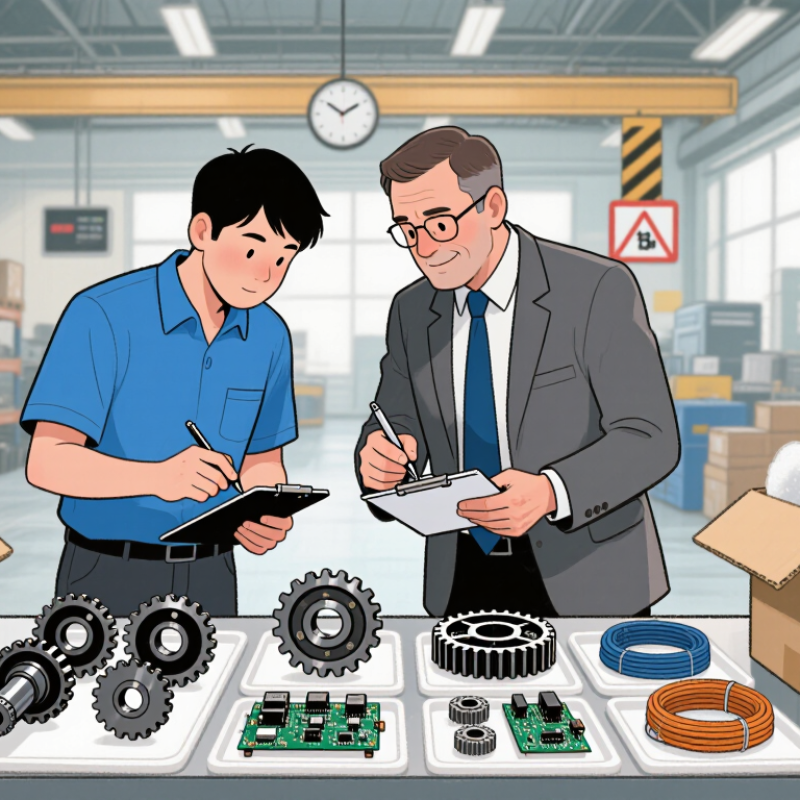
A sample order can reveal more than a sales presentation. Examine labeling, dimensions, materials, packaging strength, and response time. Compare the delivered parts with the approved sample. Record every difference.

Payment terms deserve equal attention. Confirm lead times, minimum order quantities, warranty conditions, and responsibility for damaged shipments. Use written agreements with measurable standards. Vague promises create expensive confusion.

The seven tips in this guide focus on practical supplier evaluation, quality control, communication, logistics, and long-term cooperation. They are designed for buyers handling automotive, industrial, electrical, or mechanical distributor parts.

Still, no checklist removes every risk. Market conditions change. Suppliers make mistakes. Buyers do too.

That is why careful verification must continue after the first shipment. A dependable global supplier is not simply the cheapest source. It is a partner that consistently delivers documented, compliant, and usable parts.
7 Tips for Buying Distributor Parts from Global Suppliers

Identify the Exact Distributor Parts and Technical Requirements

Buying distributor parts from global suppliers starts with identification, not price. One overlooked suffix can change voltage, material, tolerance, or connector orientation. Record the exact part number, revision, package, operating range, and approved substitutes. Use the supplier’s drawing and datasheet together. Do not rely on catalog photos.

Tip 2: Convert technical needs into a verification sheet. State dimensions, electrical ratings, temperature limits, load cycles, surface finish, and inspection criteria. Ask whether values are nominal or guaranteed. Tip 3: Confirm the exact revision before ordering. Part numbers may look similar while internal specifications differ. Request current drawings, certificates of conformity, lot codes, and traceability records. These documents support receiving inspection and future fault analysis.

Tip 4: Test a small sample under real conditions. Measure fit, heat, vibration, and performance before approving volume. An experienced sourcing engineer also checks packaging, moisture control, and labeling. Global transit can damage sensitive parts without visible marks. Be willing to challenge your own specification. I once treated a familiar drawing as complete, but omitted a mounting tolerance. That mistake was expensive. A small unanswered detail can become a large production delay.

Research Global Suppliers and Verify Their Business Credentials

Buying distributor parts from a global supplier begins with disciplined research. A polished website is not enough. Check the supplier’s legal business name, registration number, operating address, and years in business. Confirm these details through official commercial registries or recognized industry directories. The names should match across invoices, certificates, email domains, and payment documents.

Ask for verifiable evidence of technical competence. This may include quality certificates, inspection procedures, product traceability records, and recent test reports. Check issue dates and certification scopes carefully. A certificate can be genuine but irrelevant to the parts you need. Request customer references from similar industries, then ask about delivery accuracy, packaging quality, and complaint handling. Keep records of every answer.

Look closely at communication habits. Do they explain tolerances clearly? Do they provide batch numbers and realistic lead times? Vague replies deserve attention. A short video call can reveal whether the warehouse, labeling system, and inventory appear consistent with their claims. However, a video is not proof. Independent inspection may still be necessary before shipment.

I have found that small inconsistencies often matter. One incorrect address delayed a supplier review. It was probably an administrative mistake, but ignoring it would have been careless. Verify banking changes through a trusted contact, not only by email. Review warranty terms, customs responsibilities, and dispute procedures before placing an order. Good suppliers welcome reasonable questions. Reliable documentation is usually more valuable than impressive promises.

Compare Product Quality, Pricing, Availability, and Minimum Orders

7 Tips for Buying Distributor Parts from Global Suppliers

Compare Product Quality, Pricing, Availability, and Minimum Orders

Buying distributor parts from global suppliers requires more than checking a catalog photo. Define the exact material, dimensions, tolerance, and required certifications before requesting quotes. Ask for recent inspection reports and a production sample. A polished sample can still hide inconsistent batches. In procurement reviews, I compare five pieces from the same lot, not just one. Check packaging, labeling, surface finish, and functional performance. Small differences matter.

Compare unit prices only after calculating landed cost. Include freight, insurance, duties, inspection fees, and possible rework. A lower quotation may become expensive after delays or rejected parts. Request a price breakdown with currency, validity period, payment terms, and tooling charges. I once focused too heavily on unit cost and underestimated storage expenses. That decision needed correction.

Availability deserves equal attention. Ask whether parts are in stock, made to order, or shared across several buyers. Confirm production capacity, dispatch dates, backup inventory, and realistic transit times. Get these details in writing. Minimum orders can also distort the comparison. A low price with a large minimum order may tie up cash and create obsolete inventory. Request a trial order or smaller first shipment. Then review defect rates, delivery accuracy, and communication speed. Suppliers should explain delays clearly, not simply promise faster delivery. Keep a comparison sheet, update it after each shipment, and challenge assumptions that lack evidence.

Confirm Compliance, Documentation, Warranty, and Return Policies

When buying distributor parts from global suppliers, compliance should be checked before price. Ask for the part number, manufacturing origin, lot traceability, and applicable safety documents. Request current datasheets, test reports, and certificates, not scanned files with unclear dates. Verify certificates through the issuing organization when possible. Ask for evidence.

Documentation should match the shipment. Compare the invoice, packing list, labels, and technical specifications before accepting delivery. Record serial numbers and photograph damaged packaging immediately. A small sample order can reveal inconsistent labeling or missing paperwork. In supplier audits, I have seen clean documents hide weak traceability. That detail matters. Written requirements protect both sides, although buyers sometimes make them too vague.

Warranty terms need practical wording. Confirm the coverage period, start date, repair or replacement process, exclusions, and response time. Check whether installation errors, storage conditions, or altered parts void coverage. Return policies deserve equal attention. Ask about authorization numbers, return windows, inspection fees, restocking charges, and shipping responsibility. Keep the original packaging when possible. One overlooked condition can erase an otherwise useful remedy. I would also request a written process for nonconforming parts, including evidence requirements and credit timing. Even experienced buyers miss this step when delivery schedules become urgent.

7 Tips for Buying Distributor Parts from Global Suppliers - Confirm Compliance, Documentation, Warranty, and Return Policies

Tip What to Confirm Recommended Evidence Key Questions Warning Signs
1. Verify the exact part identity Match the manufacturer part number, revision, condition, quantity, and applicable technical specifications. Part-number cross-reference, datasheet, technical drawing, photographs, and a written quotation. Is the part new, unused, refurbished, or surplus? Does the revision match the equipment documentation? Generic descriptions, incomplete part numbers, inconsistent specifications, or unclear product condition.
2. Confirm regulatory compliance Identify the safety, environmental, import, and product regulations that apply in the destination market and intended use. Declaration of conformity where applicable, material declarations, test reports, safety data, and customs classification information. Who is responsible for compliance: the manufacturer, distributor, importer, or end user? Unverifiable certificates, expired documents, missing market-specific requirements, or pressure to bypass inspection.
3. Request complete documentation Ensure the shipment includes the records needed for installation, operation, maintenance, traceability, and customs clearance. Invoice, packing list, certificate of origin when required, inspection report, serial-number list, manuals, and test records. Which documents are included before shipment, and which will be supplied with the goods? Documents supplied only after payment, mismatched serial numbers, altered files, or missing shipment details.
4. Validate authenticity and traceability Check the supply chain, lot or batch information, serial numbers, packaging, and available inspection history. Chain-of-custody records, purchase history where available, tamper-evident packaging details, and independent inspection results. Can the supplier explain the source and storage history of the parts? Missing serial numbers, damaged labels, unexplained packaging changes, or refusal to permit inspection.
5. Review warranty coverage Clarify warranty duration, start date, covered defects, exclusions, remedy, and responsibility for transport or labor costs. Signed warranty terms, purchase conditions, inspection requirements, and written service-contact details. Does coverage begin at shipment, delivery, commissioning, or acceptance? Verbal promises, unusually broad exclusions, unclear claim deadlines, or warranty terms that differ from the quotation.
6. Define return and dispute procedures Establish the process for incorrect, damaged, defective, nonconforming, or customs-rejected parts. Return authorization process, notification period, refund or replacement terms, shipping allocation, and dispute-resolution clause. What condition must the goods be in, and who pays return freight, duties, inspection, and restocking charges? No written return policy, full payment required before inspection, or terms that remove all remedies for nonconforming goods.
7. Calculate the complete landed cost Compare the total cost of ownership, not only the quoted unit price. Itemized quotation covering unit price, packaging, freight, insurance, duties, taxes, brokerage, inspection, and payment fees. Which delivery term applies, when does risk transfer, and which party handles import clearance? Unexpected surcharges, unclear currency, inconsistent delivery terms, or a price far below comparable offers.

Note: Compliance obligations, import requirements, warranty rights, and return conditions vary by product type, destination country, contract terms, and intended use. Confirm applicable requirements with qualified legal, customs, engineering, or compliance professionals before purchase.

Plan Shipping, Customs, Payment Security, and Ongoing Support

7 Tips for Buying Distributor Parts from Global Suppliers

Plan the route before placing an order.

Tip 1: Request carton dimensions, gross weight, Incoterms, and the shipping origin.

The World Bank’s 2023 Logistics Performance Index shows that international delivery reliability still varies widely between markets. A low unit price can disappear after airfreight, storage, and port delays.

Tip 2: Compare at least two transport options.

For urgent parts, airfreight may protect production schedules. For heavier consignments, consolidated ocean freight can reduce cost. Build a buffer. Delays happen.

Tip 3: Confirm customs documents before payment.

Ask for the commercial invoice, packing list, certificate of origin, and correct tariff classification. Local customs rules may require additional technical documents. Do not guess the code. A small mistake can hold a shipment for weeks.

Tip 4: Use payment controls.

The Asian Development Bank’s 2023 Trade Finance Gaps, Growth, and Jobs Study estimated the global trade finance gap at 2.5 trillion dollars. Request staged payments, transaction records, and bank-verified beneficiary details. Consider escrow for unfamiliar suppliers. Even experienced buyers miss details.

Tip 5: Match payment currency with your budget.

Exchange-rate changes can affect landed cost.

Tip 6: Define inspection rights before dispatch.

Specify sample checks, serial-number records, packaging photos, and acceptance criteria. ISO-aligned quality procedures help, but they do not replace physical verification.

Tip 7: Agree on ongoing support in writing.

Include response times, replacement terms, warranty limits, and technical-document updates. Keep a second qualified source for critical parts. It may cost more today, but production downtime is harder to repair.