For global buyers, motor parts are more than interchangeable metal components. They influence vehicle safety, operating costs, repair schedules, and customer trust. A starter motor, bearing, or fuel pump may look simple, yet small design differences can cause serious fitment problems. These issues become expensive when parts cross borders and require additional inspection or return shipping.
Experienced buyers usually examine material specifications, dimensional drawings, test reports, and supplier records. They also compare OEM references with compatible aftermarket alternatives. Clear part numbers reduce confusion between similar models. Traceable batch information can support quality checks after delivery. Packaging matters too. A damaged connector or bent shaft may pass unnoticed until installation. Good suppliers explain storage conditions, warranty terms, and inspection procedures before shipment.
Certification alone is not enough. It must match the product and destination market. Buyers should confirm applicable technical requirements with qualified professionals. Regional vehicle variations can change compatibility, even when model names appear identical. This detail is often missed.
Reliable sourcing depends on evidence, not attractive catalog photos. Samples, independent inspections, and written specifications provide stronger confidence. Still, no supply chain is perfect. Records may be incomplete, and testing can have limitations. That deserves honest review. By treating motor parts as safety-related and performance-critical products, global buyers can make more informed decisions. They can also build longer relationships with suppliers who communicate clearly, correct mistakes, and maintain consistent quality. Small checks often prevent large losses.
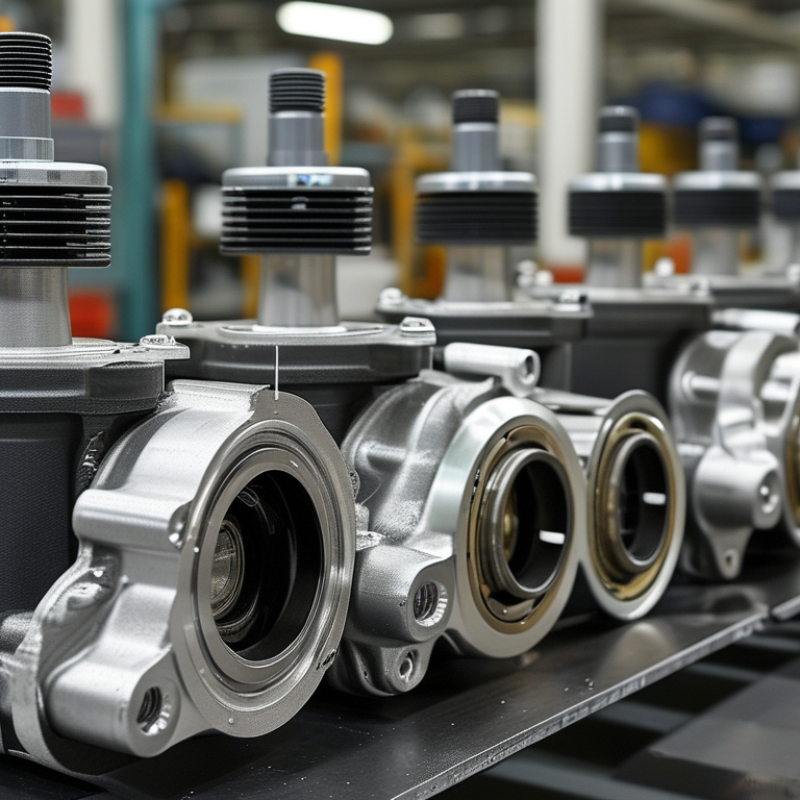
Motor parts are the individual components that make an electric motor produce controlled movement. The stator creates a magnetic field, while the rotor turns inside it. A shaft transfers this rotation to a pump, fan, conveyor, or machine tool. Bearings support the shaft and reduce friction. In some motor designs, brushes and a commutator help deliver electrical current. Other designs use electronic control instead. Housings protect internal parts from dust, moisture, and accidental impact. Cooling fans also manage heat during continuous operation.
For global buyers, each part must match the motor’s electrical and mechanical specifications. Voltage, current, speed, torque, shaft size, insulation class, and mounting dimensions all matter. A bearing may look suitable but fail under higher loads. A replacement rotor may fit physically but produce poor balance. Reliable sourcing requires technical drawings, material details, test records, and clear tolerance data. International shipments also need accurate packaging and identification. Small labeling errors can delay installation. That lesson is easy to underestimate.
Tips: Compare the part number, dimensions, and operating conditions before ordering. Ask for inspection records when quality affects safety or uptime. Check whether the part suits the local power supply. Do not assume similar-looking components are interchangeable. A qualified technician should verify critical replacements, because one overlooked measurement can damage the entire motor.
A motor is not one component working alone. It is a coordinated system where each part controls motion, heat, current, and mechanical load. The stator creates a magnetic field, while the rotor responds inside it. This interaction produces torque and turns the shaft. Simple in theory. Sensitive in practice.
During equipment inspections, I have seen small bearing defects create loud vibration and uneven shaft movement. Bearings support the rotating shaft and reduce friction, but poor lubrication can quickly increase heat. Windings carry electrical current and generate magnetic force. Insulation keeps that current in the correct path. A damaged winding may cause overheating, weak torque, or sudden failure. The housing protects internal parts and helps transfer heat into the surrounding air. Seals also matter when dust or moisture may enter the assembly.
Modern systems may add sensors, encoders, controllers, or cooling fans. These parts improve speed control and operating safety. However, compatibility is easy to overlook. A sensor with the wrong signal range can confuse the controller. An incorrectly sized shaft can damage the coupling. Global buyers should check dimensions, materials, voltage, load ratings, testing records, and maintenance instructions together. One certificate is not enough evidence of reliability. I have learned that a detailed parts list still needs practical verification. The motor may fit on paper, yet perform poorly under real vibration, temperature, and duty cycles.
Which Motor Parts Matter Most to Global Buyers?
For global buyers, motor parts matter because each component affects uptime, safety, and replacement costs. Fit matters first. A mismatched shaft, bearing, or mounting flange can stop an entire production line. Buyers should check dimensions, materials, load ratings, temperature limits, and documentation before ordering.
Bearings deserve close attention because poor lubrication or incorrect clearance can create heat and vibration. Windings and insulation systems also matter in humid, dusty, or high-temperature environments. A reliable rotor and stator combination supports stable torque and efficient operation. Seals protect internal parts from moisture and fine particles, especially in pumps, conveyors, and outdoor equipment. Small errors spread.
In practical inspections, technicians often examine shaft wear, bearing noise, terminal quality, and insulation resistance. These details reveal problems that product photos cannot show. Replacement brushes, fans, sensors, and fasteners may seem minor, but their availability can reduce repair delays across borders. Buyers should request material certificates, test records, and clear tolerance data from suppliers. Compliance requirements also vary by destination, so technical files must be accurate and current. Cheaper parts can become expensive after shipping, customs checks, and repeated installation work. I have found that buyers sometimes focus too heavily on purchase price. That decision deserves a second look. A durable part with traceable quality may provide better value, though no specification removes every field risk.
For global buyers, motor parts are not interchangeable metal pieces. Quality affects heat, noise, service life, and safety. A bearing with rough machining may seem acceptable during inspection. Weeks later, vibration can loosen nearby fasteners. Small defects become expensive delays. In practical sourcing work, I check surface finish, insulation condition, shaft dimensions, and test records. Photos help, but physical samples reveal more.
Compatibility deserves equal attention. A motor may fit the housing yet fail electrically. Buyers should compare voltage, frequency, torque, speed, mounting pattern, shaft diameter, and connector layout. Environmental details matter too. Dust, moisture, temperature, and duty cycles change the required specification. A replacement fan motor once looked correct by size alone, but its mounting holes differed by a few millimeters. The installation stopped. That mistake was avoidable, though catalog descriptions encouraged it.
Standards make purchasing more reliable across borders. Confirm applicable electrical, material, efficiency, and testing requirements before approving a part. Ask for traceable reports, dimensional drawings, batch information, and clear inspection criteria. Do not treat a certificate as proof of perfect performance. Testing methods, dates, and product versions still need review. This is where buyers sometimes rush. A lower price can hide rework, customs questions, or premature failure. Clear technical communication, independent checks, and documented acceptance standards create stronger decisions, even when the process feels slower.
Global buyers depend on motor parts for stable machine performance, safe operation, and predictable maintenance. However, choosing parts by price alone can create costly problems. A suitable part should match the motor’s model, dimensions, load range, speed, and operating environment. Even a small difference in shaft diameter or bearing clearance may cause vibration, overheating, or early failure.
Buyers should compare material quality, manufacturing tolerance, test records, and available technical documents. Ask for inspection reports, traceability details, and clear specifications before placing an order. Suppliers with practical engineering experience can explain how parts perform under dust, moisture, heat, or continuous workloads. Warranty terms also matter, but they should not replace proper quality checks. In real sourcing work, delivery speed sometimes receives too much attention. That can be a mistake. A cheaper part with uncertain compatibility may increase downtime and labor costs.
Tips: Compare total ownership cost, not only unit price. Check sample dimensions with calibrated tools. Confirm packaging for long-distance transport. Review replacement availability and communication response time. If documentation seems vague, pause the purchase. Small details matter. Buyers should also compare testing methods, compliance documents, production capacity, and after-sales support. These factors reveal whether a supplier can provide consistent parts, not just one acceptable shipment. I have found that a clear technical conversation often exposes missing information earlier than a long quotation.