10 Tips for Buying Spare Parts for Cars Online

Buying spare parts for cars online can save time, but a wrong choice may create expensive problems. A polished product photo does not prove compatibility. The part may look identical yet use a different connector, measurement, or material. Careful buyers compare the vehicle identification number, model year, engine type, and original part number before ordering. These details matter more than a low price.

This guide presents 10 practical tips for making safer online purchases. It explains how to check seller experience, read detailed reviews, confirm warranty terms, and understand return conditions. You will also learn why trusted catalogs and manufacturer information deserve more attention than vague marketplace claims. A professional mechanic’s advice can prevent a costly mistake, especially for braking, steering, suspension, and electrical components. Do not ignore shipping damage. Photograph the package before opening it.

Even experienced buyers make errors. I once focused on a discount and overlooked a small connector difference. The replacement arrived quickly, but it could not fit. That mistake showed me that convenience is not the same as reliability. Some advice online sounds confident but lacks evidence. Verify it.

With clear records, measured comparisons, and realistic expectations, online shopping becomes more manageable. The goal is not to find the cheapest part. It is to find the correct, safe, and properly supported part for your vehicle.
10 Tips for Buying Spare Parts for Cars Online

Identify Your Car’s Exact Spare Part Requirements

Before buying online, identify the exact spare part your car needs. Start with the 17-character VIN, found on the dashboard or registration documents. Then record the model year, engine size, transmission type, body style, and production month. Two cars with the same model name may use different brake sensors or filters. Small differences matter.

Check the original part number whenever possible. Photograph the old part beside a ruler, including connector shapes, bolt positions, and stamped markings. Use the seller’s compatibility tool, but do not trust it alone. S&P Global Mobility reported that the average age of vehicles in operation reached 12.6 years in 2024. Older vehicles often have replacement histories that standard catalogs cannot detect. Ask for dimensions, material details, and installation diagrams. A vague listing is a warning.

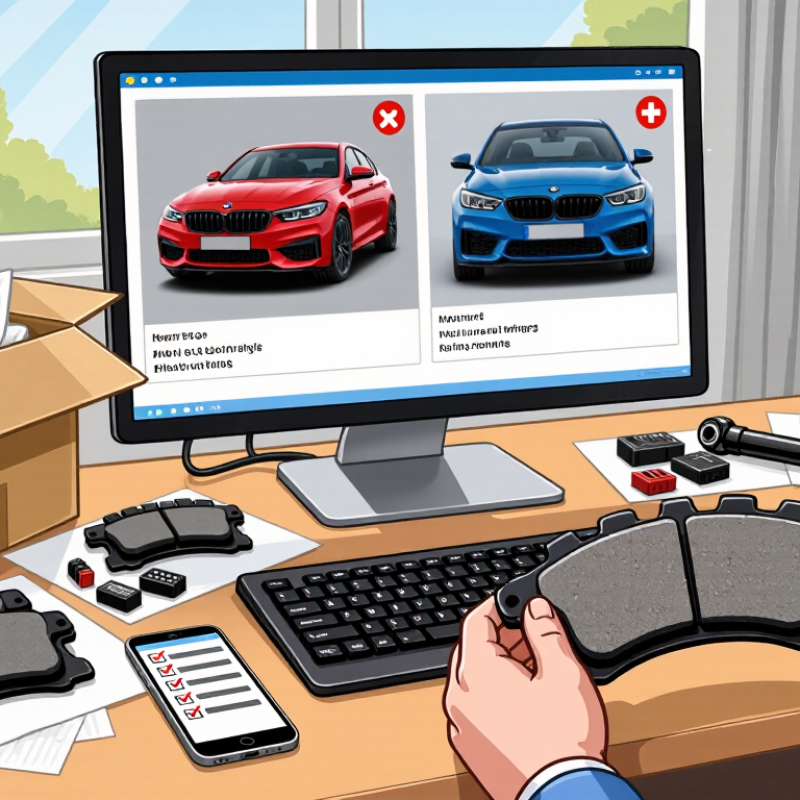
Compare the specification sheet with your vehicle manual and service records. The Auto Care Association’s 2024 Factbook places the U.S. automotive aftermarket above 500 billion dollars, showing how many replacement options exist. More choices do not mean better accuracy. Confirm left or right placement, front or rear position, and sensor compatibility before payment. I have seen buyers match a photograph perfectly, then discover a different connector. That mistake is avoidable, but not always. Keep screenshots of the listing, part number, and seller’s fitment statement. Check return conditions before opening the package.

Verify Compatibility Using Part Numbers and Vehicle Details

Buying car parts online can save time, but compatibility must come before price. S&P Global Mobility reported that the average U.S. light vehicle age reached 12.6 years in 2024. Older vehicles often have revised components, different connectors, or several engine options. A photograph is not enough. Check the vehicle identification number, model year, engine size, transmission, trim, and production month.

Tip 1: Match the exact part number. Compare every letter, digit, suffix, and revision code with the seller’s listing. A single missing character can identify a different sensor or mounting position. Do not rely only on “fits your vehicle” filters. The Auto Care Association’s 2024 Factbook valued the U.S. aftermarket above 590 billion dollars, showing how many replacement choices exist. More choices can create more mistakes.

Tip 2: Ask for written confirmation before ordering. Send the seller your part number and complete vehicle details. Request confirmation about left or right position, front or rear location, and included hardware. Keep screenshots of the listing and replies. That record helps when specifications change. I have seen listings use broad vehicle ranges, yet omit an important engine code. This is easy to miss. If the number is unreadable, photograph the label and verify it through a repair manual or qualified technician. A cheaper part is not useful if it cannot communicate correctly with the vehicle.

Evaluate Online Sellers, Brands, and Product Quality

10 Tips for Buying Spare Parts for Cars Online

Evaluate the seller before studying the part. A reliable seller shows a physical address, clear contact details, and detailed return terms. Read recent reviews, not only the highest ratings. Look for comments about packaging, delivery time, fit, and support after purchase. I once trusted a polished product photo and ignored vague measurements. That mistake cost extra time.

Compare several brands without judging price alone. Check material descriptions, manufacturing information, warranty coverage, and testing documentation. A professional listing should provide exact dimensions, compatible vehicle details, and an original equipment reference when available. Ask the seller to confirm compatibility using your vehicle identification number. Written confirmation can prevent an expensive mismatch.

Quality often appears in small details. Examine photos for clean casting, even surfaces, sealed connectors, and secure packaging. Avoid listings with copied images or unclear specifications. Reviews can still be misleading. Some buyers may not install parts correctly, while others review delivery rather than performance. Independent repair advice adds useful context, but it is not perfect either. Keep invoices, messages, and installation records. They may help if the part fails or the seller disputes your claim.

Compare Prices, Shipping Costs, and Delivery Times

10 Tips for Buying Spare Parts for Cars Online
Tip 1: Compare the complete price, not only the part’s listed cost.
Add shipping, taxes, handling fees, and possible return charges. Shipping changes everything. A low-priced component can become expensive after checkout. I once overlooked a small handling fee and paid more than expected. Keep screenshots.
Tip 2: Check delivery times carefully.
“Ships in two days” may not mean delivery within two days. Look for processing time, carrier estimates, and weekend exclusions. If the vehicle is needed for work, choose a realistic arrival window. A cheaper order may cause costly delays. Compare standard and express shipping, but do not assume express service guarantees a specific date.
Tip 3: Verify compatibility before comparing offers.
Use the vehicle identification number, exact model year, engine details, and the original part number. Product photos are useful, but they cannot confirm fit. Read technical specifications and seller responses. Reliable sellers explain stock status, packaging, warranty coverage, and return conditions clearly.
Tip 4: Compare shipping locations.
Domestic dispatch may arrive faster than an international shipment, even when the item costs slightly more. Trackable delivery is worth considering for fragile or expensive parts. Inspect the package immediately after arrival and record visible damage. I have learned that delivery promises can change during holidays or severe weather.
Tip 5: Read recent reviews for evidence about accuracy and delivery.
Ignore vague praise. Look for comments mentioning dimensions, packaging, tracking updates, and actual arrival dates. Reviews are helpful, but not perfect. Verify important details independently before placing the order.

Review Return Policies, Warranties, and Payment Security

Buying car spare parts online demands more than matching a product photo. Start with the vehicle identification number, engine size, and exact part number. I once trusted a similar-looking brake sensor and wasted a week on an incorrect fit. That mistake taught me to read the return policy before clicking “pay.” Check who pays return shipping, how many days you have, and whether opened packaging is accepted. Save a screenshot of these terms. Some policies hide exclusions in small text. A reliable seller should explain compatibility and provide a reachable support channel. If answers feel vague, pause.

A warranty should state its duration, covered defects, labor limits, and required installation evidence. Keep the invoice, delivery label, and photographs of the part before installation. These records can support a claim when a component fails early. Still, warranty language is not always easy to interpret. I have underestimated that detail before. Payment security deserves equal attention. Use a protected checkout with encryption, multi-factor authentication, and clear transaction records. Avoid sending card numbers through chat or bank transfers to unknown individuals. Check that the payment page begins with HTTPS and matches the seller’s domain. A small authorization charge may appear temporarily, so review your statement afterward. Do not ignore it. Independent reviews can reveal delayed refunds or repeated warranty disputes, but treat extreme praise cautiously. Real experience is often mixed.