How to Choose Steering Parts in 2026 for Global Buyers?

Choosing steering parts in 2026 requires more than comparing prices and dimensions. Global buyers must examine safety, vehicle compatibility, material quality, electronic integration, and long-term supply stability. Steering systems are changing quickly as electric vehicles, advanced driver assistance systems, and steer-by-wire technologies expand.

S&P Global Mobility reported that the average age of vehicles in the United States reached about 12.6 years in 2024. Older vehicles create steady demand for replacement steering parts, including tie rod ends, ball joints, steering racks, pumps, and control modules. Meanwhile, the International Energy Agency reported that global electric car sales exceeded 17 million units in 2024. This shift changes sourcing requirements. Electric platforms often use different steering assemblies, sensors, connectors, and calibration procedures.

Dr. Peter Holdmann, former head of ZF’s Chassis Solutions division, described steer-by-wire as “a key technology for the mobility of the future.” His statement highlights a practical concern: a part may fit physically but still fail electronically. Buyers should verify OE numbers, steering angle data, corrosion resistance, test records, and traceability. A rack that looks identical on a warehouse shelf can behave differently after installation.

Quality systems matter. So does judgment.

Reports from McKinsey and Deloitte also show that software and electronics increasingly influence vehicle performance. However, market forecasts are not perfect. Regional vehicle fleets, road conditions, and repair habits can distort global assumptions. The strongest purchasing strategy combines certified suppliers, sample testing, documented warranties, and field feedback. In 2026, reliable steering parts will be selected through evidence, not attractive catalog photographs.
How to Choose Steering Parts in 2026 for Global Buyers?

Understanding Steering Parts and Their Main Applications

How to Choose Steering Parts in 2026 for Global Buyers?

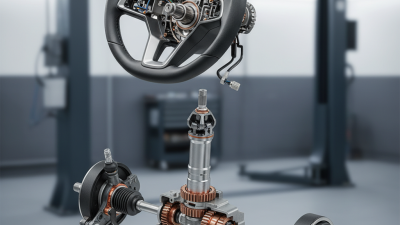
Steering parts connect driver input with vehicle direction, stability, and road feedback. Common components include tie rods, ball joints, steering racks, pumps, columns, and electric assist motors. Their applications differ across passenger cars, commercial vehicles, buses, agricultural machines, and construction equipment.

OICA reported approximately 93.5 million motor vehicles produced globally in 2023, creating broad demand for both original and replacement components.

A steering part must match the vehicle platform, axle load, suspension geometry, and operating environment.

Electric vehicles are changing application requirements. The International Energy Agency reported nearly 14 million electric car sales in 2023, representing about 18% of global car sales.

These vehicles often use electric power steering, which reduces hydraulic maintenance but increases demand for accurate sensors, control units, and low-friction mechanisms.

Commercial vehicles need stronger joints and protective seals for heavier loads. Off-road equipment requires resistance to mud, dust, vibration, and sudden impacts. Small differences matter.

For global purchasing, inspect material certificates, hardness results, dimensional reports, and fatigue-test records. Check thread accuracy and sealing quality with physical samples, not photographs alone.

The WHO’s Global Status Report on Road Safety 2023 estimates 1.19 million annual road deaths, so steering reliability cannot be treated as a cosmetic specification.

I have seen buyers focus too heavily on price and overlook installation tolerances. That judgment can be wrong.

A lower-cost part may create uneven tire wear, steering play, or repeated labor expenses.

Supplier traceability, batch control, and documented testing deserve equal attention.

Identifying Vehicle Compatibility and Technical Requirements

How to Choose Steering Parts in 2026 for Global Buyers?

Identifying vehicle compatibility begins with exact vehicle data. Record the model year, engine type, body style, and drive layout. A steering component for left-hand drive may not fit a right-hand drive vehicle. Check the VIN when available, but never rely on it alone. Production changes can occur within the same year.

Measure the original part carefully. Compare shaft diameter, spline count, thread pitch, mounting-hole spacing, and joint taper. Note whether the steering system uses hydraulic or electric assistance. Inspect nearby sensors, wiring, boots, and clearance points. A few millimeters can cause contact during suspension movement. It sounds minor. It is not.

In practical sourcing, I request installation drawings, material details, load ratings, and test records from suppliers. Compatibility tables are useful, yet they sometimes contain old or incomplete data. I once treated a matching part number as sufficient evidence. The mounting holes aligned, but the shaft length was wrong. That mistake changed the inspection process. Buyers should verify dimensions against the vehicle and the removed part. Ask for samples when tolerances are critical. Check corrosion protection for humid regions and temperature limits for cold markets. Packaging also matters, because bent studs or damaged threads can appear after long transport. Local workshop feedback can reveal fit issues that laboratory documents miss.

Comparing Materials, Quality Standards, and Supplier Certifications

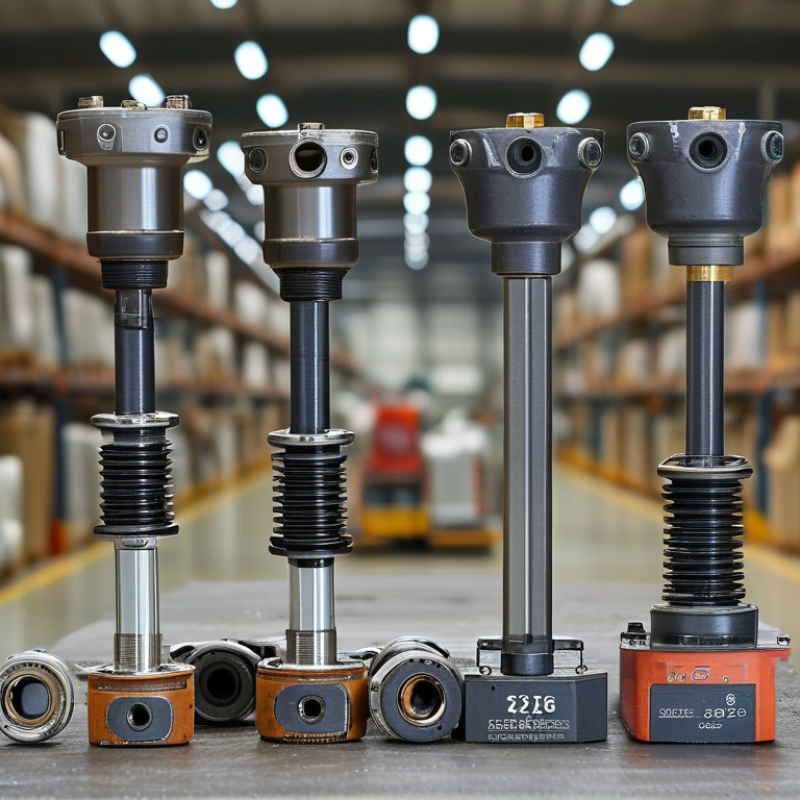
For global buyers, steering-part selection starts with the working environment, not the lowest quotation. Steel tie rods usually provide strong load resistance, while aluminum can reduce weight. Rubber and polyurethane boots must remain flexible across heat, freezing temperatures, dust, and road salt. A part that performs well in a warehouse may fail after months of vibration and moisture. Check hardness, corrosion resistance, fatigue strength, and dimensional tolerance before comparing prices. Small differences matter.

Quality standards create a common language between buyers and suppliers. Ask for material certificates, inspection plans, test methods, and batch traceability. ISO 9001 certification can show controlled quality processes, but it does not guarantee perfect steering parts. Automotive-focused certification, such as IATF 16949, may indicate stronger process discipline. Still, review the actual audit scope and certificate validity. Paperwork can look impressive.

Supplier evaluation needs practical evidence. Request sample reports, product drawings, failure records, and corrective-action responses. During inspection, measure thread accuracy, joint movement, surface finish, and boot sealing. Independent laboratory testing can verify tensile strength, salt-spray resistance, and durability claims. Factory visits are useful, although one visit cannot reveal every production weakness. I have learned that clear communication often exposes risks earlier than a polished presentation. Leave room for questions, revisions, and uncomfortable findings.

Evaluating Global Sourcing, Pricing, and Supply Chain Risks

How to Choose Steering Parts in 2026 for Global Buyers?
Evaluating Global Sourcing, Pricing, and Supply Chain Risks

In 2026, selecting steering parts requires more than comparing unit prices. A low quote can hide tooling charges, inspection costs, or unstable material supply. I have seen purchasing teams approve a sample and overlook repeatability across monthly batches. For ball joints, tie rods, or steering racks, request dimensional reports, material certificates, and test records. Keep one sealed sample for later comparison. Small details matter.

Global sourcing needs a clear landed-cost worksheet. Include freight, insurance, duties, currency movement, packaging, and port storage. Request three comparable quotations using identical drawings and tolerances. A shorter lead time may reflect overtime or subcontracting risks. Check production capacity, backup processes, and shipment history. Video audits help, but they cannot replace on-site verification. That is easy to forget.

Build a risk score for quality, delivery, price, and communication. Set approval limits for changes in steel grade, heat treatment, or production location. Use staged orders, incoming inspection, and corrective-action deadlines. Payment terms should protect cash flow without weakening supplier stability. No forecast is perfect. My estimates have failed when a regional port slowed unexpectedly. Review safety stock quarterly, and record the reason beside every changed assumption.

Inspecting Products and Managing Installation and After-Sales Support

For global buyers, steering-part inspection must go beyond appearance. WHO’s Global Status Report on Road Safety 2023 records about 1.19 million annual road deaths worldwide. That figure makes traceability and fitment accuracy essential. Request controlled samples, material certificates, dimensional drawings, and batch-test records. Check spline count, shaft diameter, thread pitch, boot sealing, and surface hardness. Do not approve from photos alone. A clean sample can hide production variation.

Installation support should be treated as part of the product. Provide vehicle-specific fitment data, torque values, tool requirements, and clear warning points. Technicians should confirm wheel alignment after replacement. They should also inspect connected suspension components. ACEA’s Vehicles on European Roads 2024 reports an average EU car age of 12.5 years in 2022. Older vehicles often have corroded fasteners or worn adjoining parts. A perfect steering component may still fail to perform correctly when installed into a neglected system.

After-sales planning needs measurable response rules. Keep batch numbers, installation dates, photographs, and returned-part conditions. Set a defined process for technical questions, warranty assessment, and failure analysis. NHTSA’s Traffic Safety Facts 2022 recorded 42,514 U.S. road fatalities, showing why slow support can carry serious consequences. A short manual is not enough. Buyers should test the support channel before ordering. It may expose missing language coverage or weak technical knowledge. That uncomfortable check is useful. Repair feedback should also update inspection standards, not disappear inside a warranty spreadsheet.